
You’ve seen them at outdoor festivals, fairs, or construction sites—but have you ever wondered how do porta potties work? These compact, portable toilets are a key part of modern sanitation, keeping job sites and events clean, safe, and convenient. Behind that plastic door lies a simple but efficient system designed to handle human waste hygienically—no plumbing required.
The Structure of a Standard Porta Potty
At first glance, a porta potty looks like a lightweight plastic box with a toilet seat—but the engineering behind it is surprisingly smart.
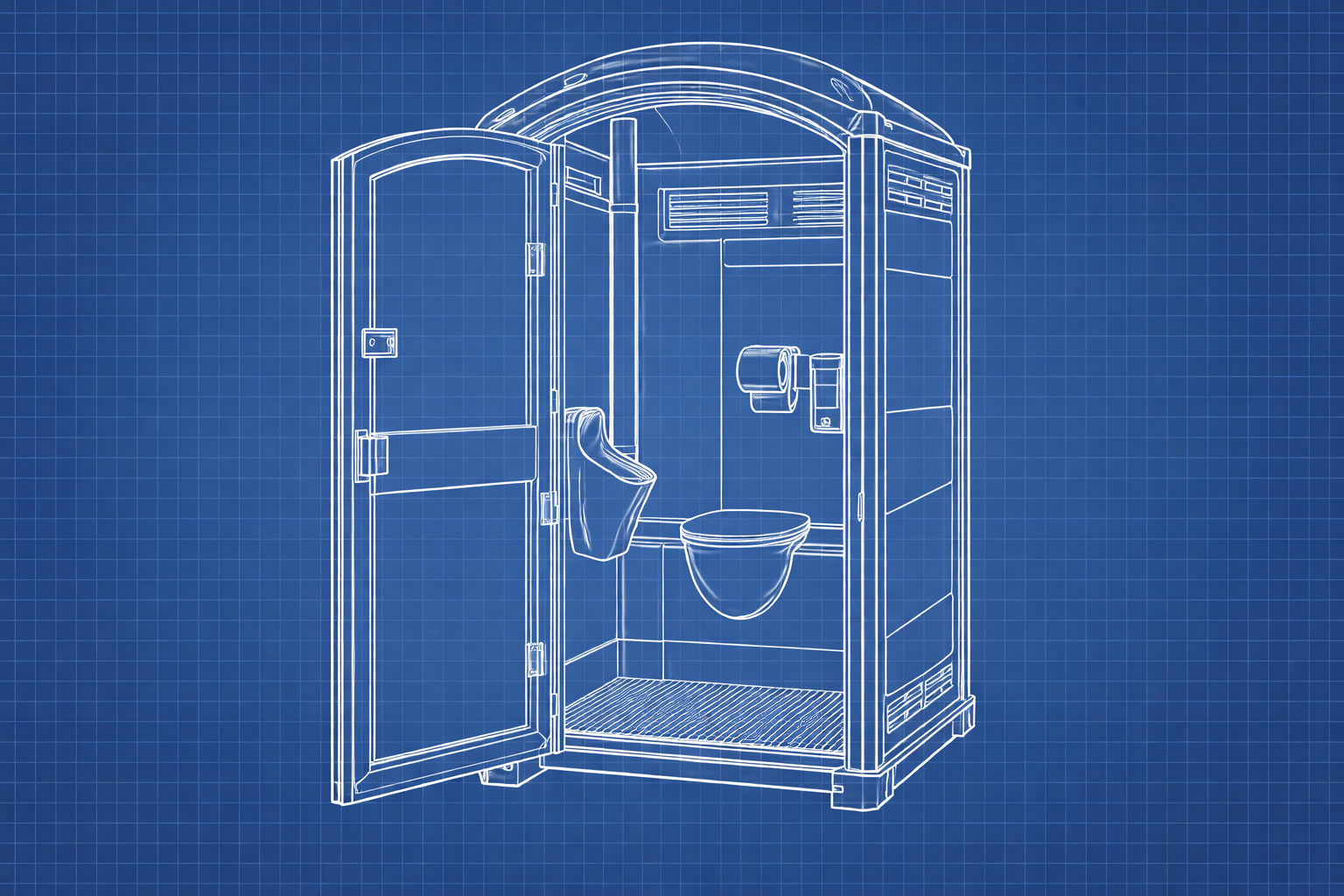
Each standard porta potty is made from durable, high-density polyethylene to withstand constant use and outdoor conditions. Inside, you’ll find:
A toilet seat and cover mounted above a sealed holding tank
A non-splash urinal and dispenser for toilet paper
Hand sanitizers or wash stations for basic hygiene (select units)
A vent pipe to release odors and prevent pressure buildup
Some units even include a flushing mechanism or foot pump that circulates water and chemicals into the tank to keep things clean and reduce odors. These our in our VIP product line.
The Role of the Blue Liquid
One of the most recognizable features of a portable toilet is the blue liquid in the holding tank. This liquid isn’t just for color—it’s a chemical solution designed to:
Break down human waste and toilet paper
Control odor-causing bacteria
Mask unpleasant smells with fragrance
Keep the unit fresh between cleanings
Modern formulas are formaldehyde-free and rely on biocides and enzymes that safely digest waste. When the blue dye turns green, it signals that the solution has reached its limit and needs to be replaced.
How Waste Is Collected and Managed
Unlike a plumbed restroom, a portable toilet doesn’t connect to a sewer line. Instead, all waste drops directly into the holding tank below the toilet seat.
This tank can typically hold 50–60 gallons of waste and liquid and is completely sealed to prevent leaks or spills while in use.
When the tank is full, sanitation professionals arrive with a vacuum-equipped truck to pump out the contents. The waste is stored in a secure container on the truck and transported to a treatment plant or treatment facility, where it’s processed and disposed of safely.
Cleaning and Servicing the Unit
After the waste is removed, the unit is thoroughly cleaned and restocked. The crew will:
Spray and disinfect all interior surfaces, including the toilet seat, floor, and walls
Add fresh blue chemical solution to the holding tank
Refill supplies like toilet paper,hand sanitizers and sanitary seat covers
Inspect the structure for damage or leaks
This regular maintenance keeps porta potties sanitary and ready for the next round of use—whether at a busy construction site or weekend music festival.
Why Porta Potties Are Efficient and Eco-Friendly
Portable toilets are a huge win for sustainability. They prevent contamination in outdoor environments and conserve massive amounts of water. Annually, portable toilets can save up to 45 million gallons of fresh water compared to traditional flushing systems.
They also keep job sites compliant with OSHA requirements by ensuring workers have access to sanitary facilities. With proper servicing, a porta potty remains safe, odor-free, and environmentally responsible.
The Bottom Line
So, how do porta potties work? Through a combination of clever design, safe chemical treatments, and professional maintenance.
The blue liquid breaks down waste, the holding tank stores it securely, and the treatment plant ensures it’s safely processed afterward.
Whether you’re planning a festival or managing a construction site, Western Site Services provides clean, reliable portable toilet rentals to keep your site running smoothly.
Do you need a quote for your next event or job site? Request a free estimate today and experience professional sanitation solutions that work.
